


























Project overview
I. Developmental background and industry pain points
(1) Macro background of industrial development
The political guidelines provide a clear direction, market demand drives growth, and carbon targets accelerate the transformation. The industry faces new opportunities for transport-energy integration.
- political orientation
Joint efforts at the national and local levels: At the national level, highway charging stations must be equipped with photovoltaic and energy storage systems to promote the integration of transportation and energy. Provinces such as Zhejiang and Jiangsu have implemented subsidy and electricity price optimization measures that significantly reduce obstacles to project implementation and accelerate the development of standardized industry. - Increase in market demand
Demand for long-distance travel in new energy vehicles continues to rise, leading to a significant difference in charging load between peak and trough periods. Existing regional power grid capacity is saturated, and transformer deployment involves long cycles and high construction costs, making it difficult to meet the rapidly growing demand for charging infrastructure along highways. - Forced Transformation through Zero-Carbon Assessment
The transport sector's share of carbon emissions remains high, and carbon-free service sectors have become a mandatory performance indicator for the transport industry. Traditional heating models have high carbon emissions, making clean energy alternatives an unavoidable choice for the sustainable development of the motorway industry.
(2) Five core industry pain points
- High electricity costs and difficulties with grid expansion
Industry uses a two-tiered electricity tariff. During peak hours, demand charges and base rates combine to result in persistently high electricity costs. Existing transformer capacity is nearing saturation, while grid expansion entails complex permitting processes and high renovation costs, placing a significant financial burden on highway maintenance units. - Insufficient local new energy consumption and high risks for compliance with grid connections
There is ample potential for PV installations along highways, but the grid's capacity to absorb this energy is limited. During peak midday PV generation, a "PV curtailment" is likely. Excess electricity fed back into the public grid can easily trigger penalties from the grid operator, hindering the effective realization of returns on PV project investments. - Inconsistent power supply reliability along the route
The power grid in remote sections of the motorway is weak, leading to frequent power outages. Traditional diesel backup generators have high operating costs and heavy exhaust pollution. A power outage affecting critical loads such as tunnels and toll plazas can directly paralyze operations along the entire line. - Weak collaborative intelligence between multiple devices and prominent data silos
Photovoltaic systems, energy storage, charging stations, power distribution systems, and other devices operate independently without a unified energy management platform, hindering data interoperability. Routine operation and maintenance rely on manual on-site inspections without online fault alert mechanisms. This leads to delayed fault response and typically low O&M efficiency. - Lack of a carbon management system, unquantifiable energy savings and emission reduction results
Systematic tools for carbon emission statistics, accounting, and optimization control are lacking. Clean energy generation and actual CO2 reduction cannot be accurately measured, making it difficult to meet the requirements for assessing carbon-neutral service sectors within the framework of the dual CO2 targets.
II. Overall Solution Design
(1) Core design philosophy
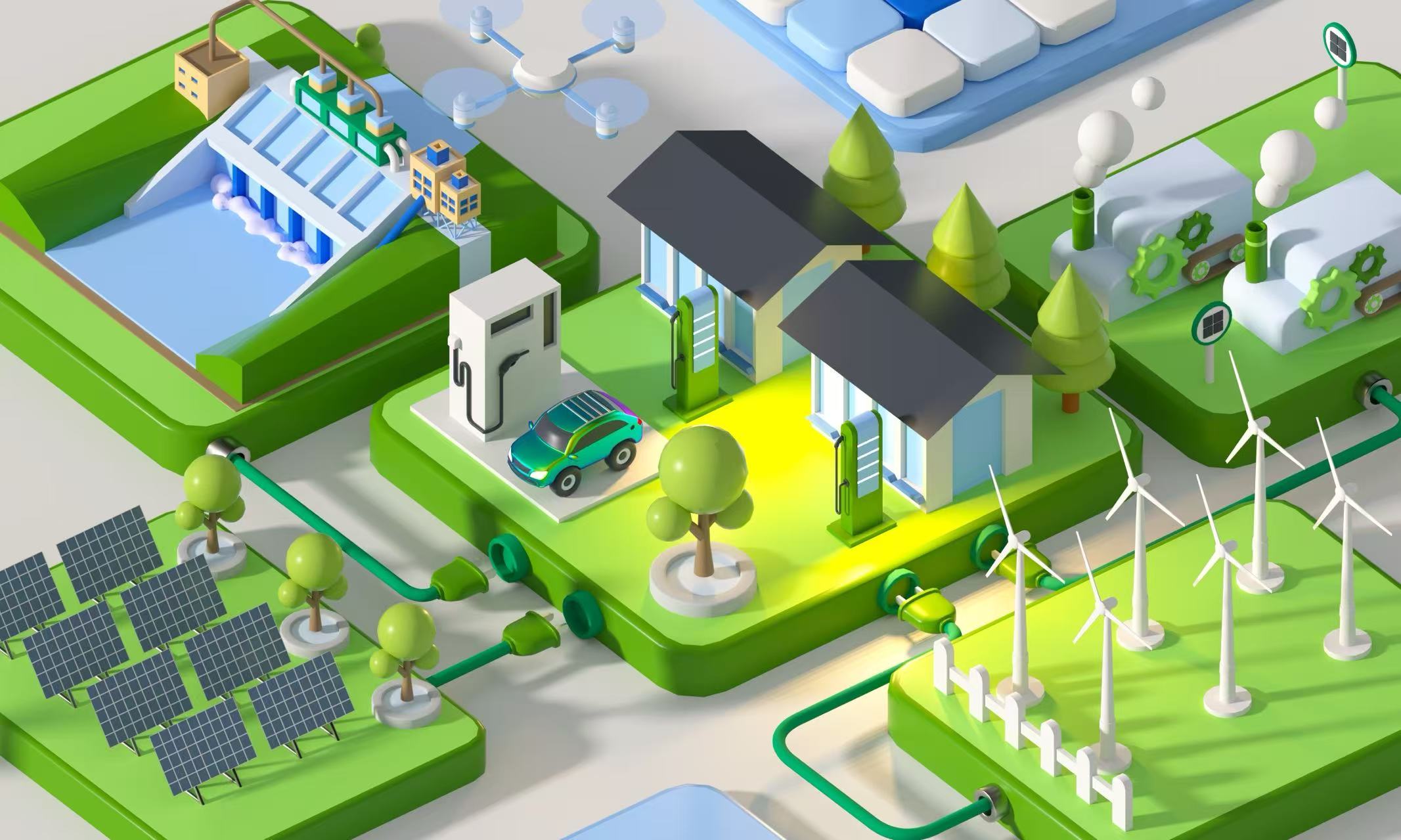
Based on four design principles: "Scenario adaptation, safety and reliability, intelligent collaboration, and CO2 emission reduction." The goal is to build a stable and sustainable ecosystem for green energy.
(2) Three-layer overall system architecture
- Device layer – Terminal execution units
As the physical hardware foundation of the entire energy system, this layer integrates PV modules, integrated energy storage systems, a complete range of smart charging poles, high-precision measuring devices, and relay protection devices. It completes the hardware implementation for clean energy generation, electrical energy storage, and load consumption. - Coordination and control layer – Local intelligent brain
This layer implements localized, real-time energy control strategies using the ACCU Coordination Controller + Microgrid Energy Management System. It coordinates the operation of multiple devices such as PV, storage, charging stations, and backup power to ensure stable and secure energy system delivery from a single station. - Cloud Platform Layer – Global Control Center
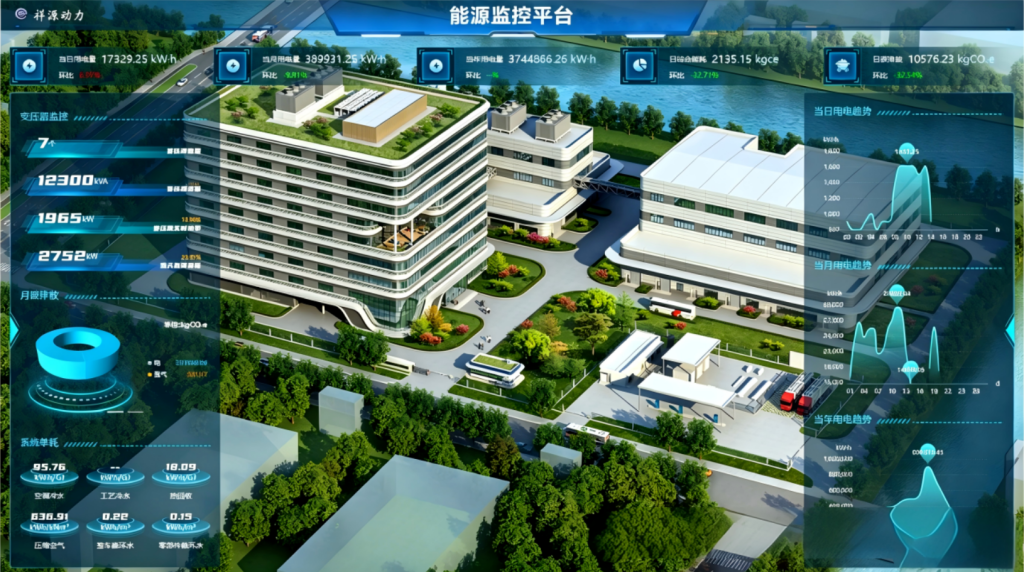
This layer is based on the EMS3.0 Smart Energy Cloud Platform and enables centralized remote monitoring of all stations along the route, early warning of system failures, analysis of energy consumption and efficiency data, and automated CO2 emission calculation. Through remote operation and maintenance (O&M) and intelligent big data analysis, it continuously optimizes the overall operational efficiency of the entire road network's energy system.
III. Specialized solutions by scenario
(1) Core scenario: Highway service areas
As the main electricity consumers on highways, service areas offer suitable conditions for the installation of large PV carports. However, they face significant fluctuations in charging load and limited available transformer capacity. The core objectives of the project are to reduce electricity costs, expand charging lanes, and maximize local consumption of PV energy.
(2) Scenario 2: Toll stations and tunnels
These scenarios feature stable power loads and high demands on supply continuity. The solution involves configuring small, integrated PV storage units with supporting relay protection devices. This enables self-consumption of PV power, peak shaving and trough filling through storage, emergency power supply during outages, and the mitigation of power quality issues such as harmonics and voltage fluctuations.
(3) Scenario 3: Remote maintenance warehouse
To address the pain points of weak power grids in remote areas and the long-term reliance on diesel generators for power supply, this solution employs an integrated PV-storage-diesel approach. PV and storage serve as primary power sources, with diesel generators as backup. This can reduce fuel consumption by more than 30% and achieve a routine green and low-carbon power supply.
(4) Scenario 4: Distribution stations along the motorway
To manage the large peak load variations and the difficulties in obtaining permits for grid expansion at distribution substations, the solution employs distributed energy storage systems. By utilizing peak valley price arbitrage and flexible capacity expansion technologies, along with easy retrofitting, it achieves cost reductions, efficiency improvements, and optimized load operation for these substations along the route.
IV. Core Technologies and Product Portfolio
(1) Six core strategies for intelligent control
- Strategy for maximizing local PV consumption
It adjusts the PV generation output in real time to the local load and prioritizes the consumption of clean energy locally. This increases the system's self-consumption of PV power to over 85%, significantly reducing the site's dependence on the public grid. - Peak Valley Arbitrage and Demand Optimization Strategy
Implements a refined charging/discharging strategy ("charge during trough periods, discharge during peak periods") to reduce peak demand charges. Uses storage to smooth immediate load fluctuations, avoids investments in large transformer capacity expansions, and continuously lowers total operating costs. - Cooperative and orderly charging strategy for PV storage charging
Dynamically and intelligently allocates the charging pail's output power based on real-time traffic flow and PV generation forecasts. While this strategy ensures normal vehicle charging, it smooths peak loads on the grid and relieves pressure on the regional power supply. - Seamless on-grid/off-grid switching strategy at the millisecond level
The system has a response capability at the millisecond level. In the event of a grid fault or a sudden power outage, it immediately switches from grid operation to island operation, ensuring an uninterrupted power supply for critical loads such as toll stations, tunnels, and data rooms. - Multi-energy linkage strategy for PV storage diesel
It coordinates the operating conditions of PV, storage, and diesel generators. It stabilizes the operation of diesel units, reduces start/stop wear and fuel consumption, lowers exhaust emissions, and achieves low-carbon operation and management. - Comprehensive security protection strategy
It integrates multiple active protection mechanisms, including overvoltage, overcurrent, anti-insulation, battery safety management, and reverse power flow prevention. It fully complies with grid connection codes and ensures the safe and stable operation of storage, distribution, and charging equipment. (2) In-house developed full-series hardware product portfolio
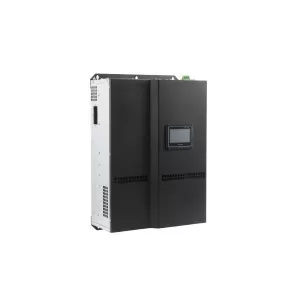
The solution features a complete range of proprietary software and hardware products with deep compatibility between devices. From storage units and control hubs to end-user devices for power consumption, it builds a stable system ecosystem that ensures reliable operation throughout the entire project lifecycle. - Integrated energy storage system
Covers small, medium, and large storage scenarios. Utilizes an efficient liquid cooling solution for stable and reliable operation, adaptable to the storage, shipping, and control needs of varying sizes.

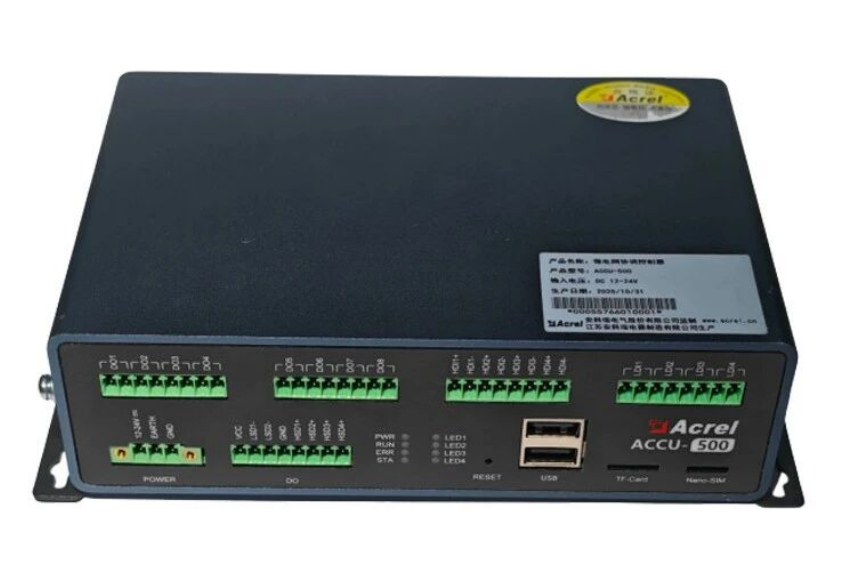
- Intelligent control hub (ACCU coordination controller)
As the core of the microgrid dispatch, it works with the EMS to achieve cooperation between multiple device types and intelligent optimization of energy strategies to improve the efficiency of clean energy use.
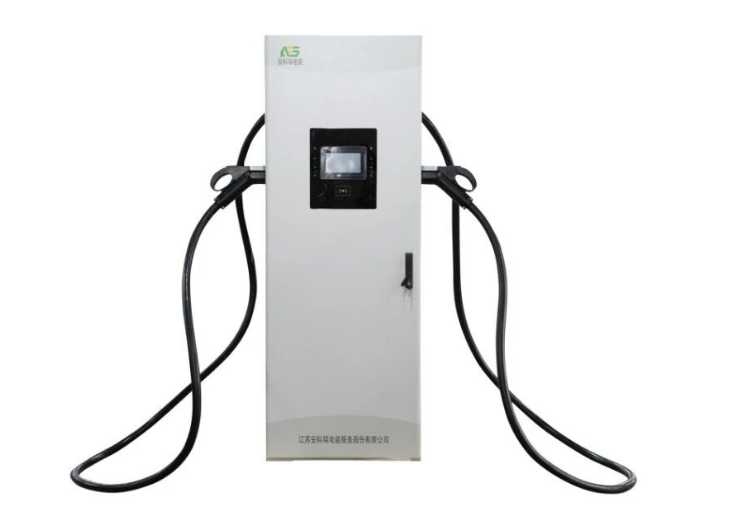
- Charging communication terminals
It covers a complete range of DC and AC charging stations to meet the charging needs of various new energy vehicles. It uses communication management units to enable data interoperability between charging stations, storage systems, and PV devices, ensuring the safe operation of the charging network.
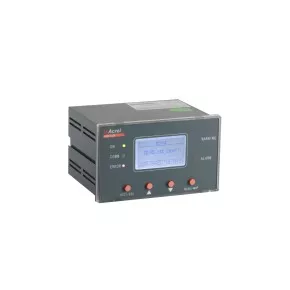
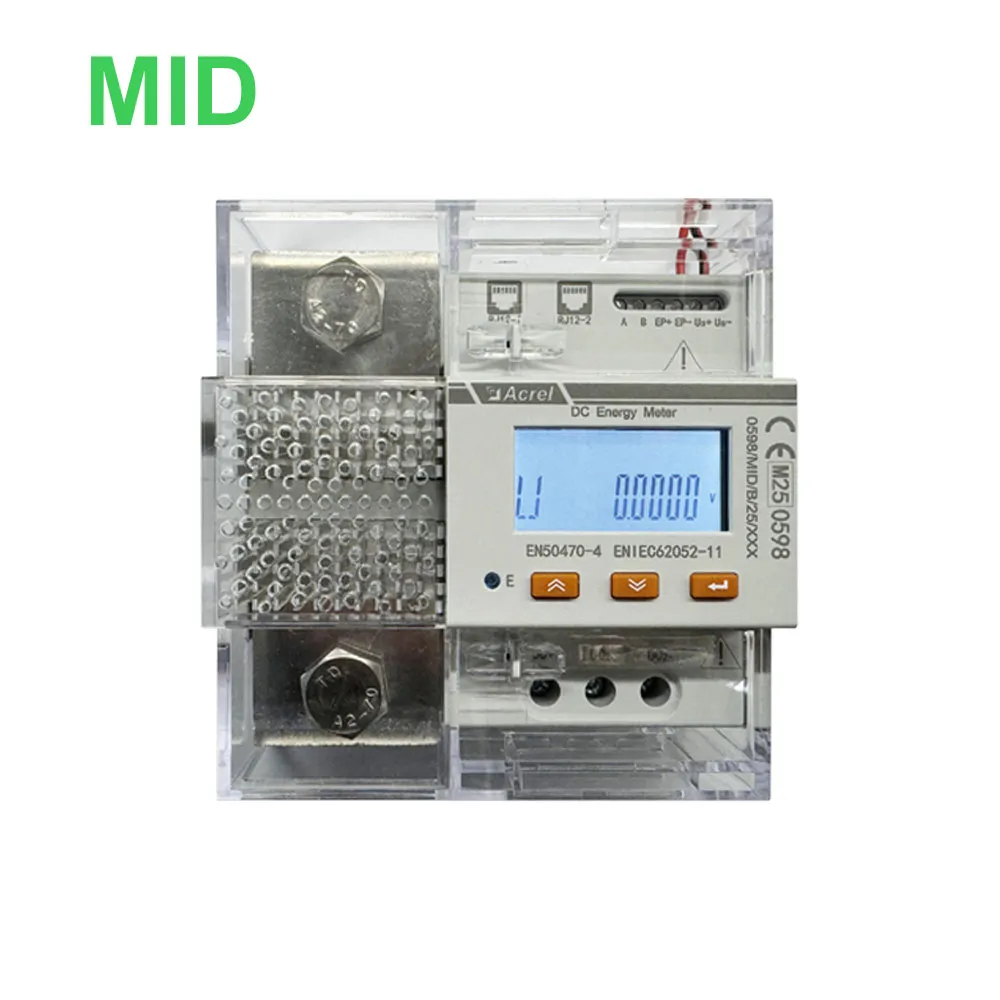
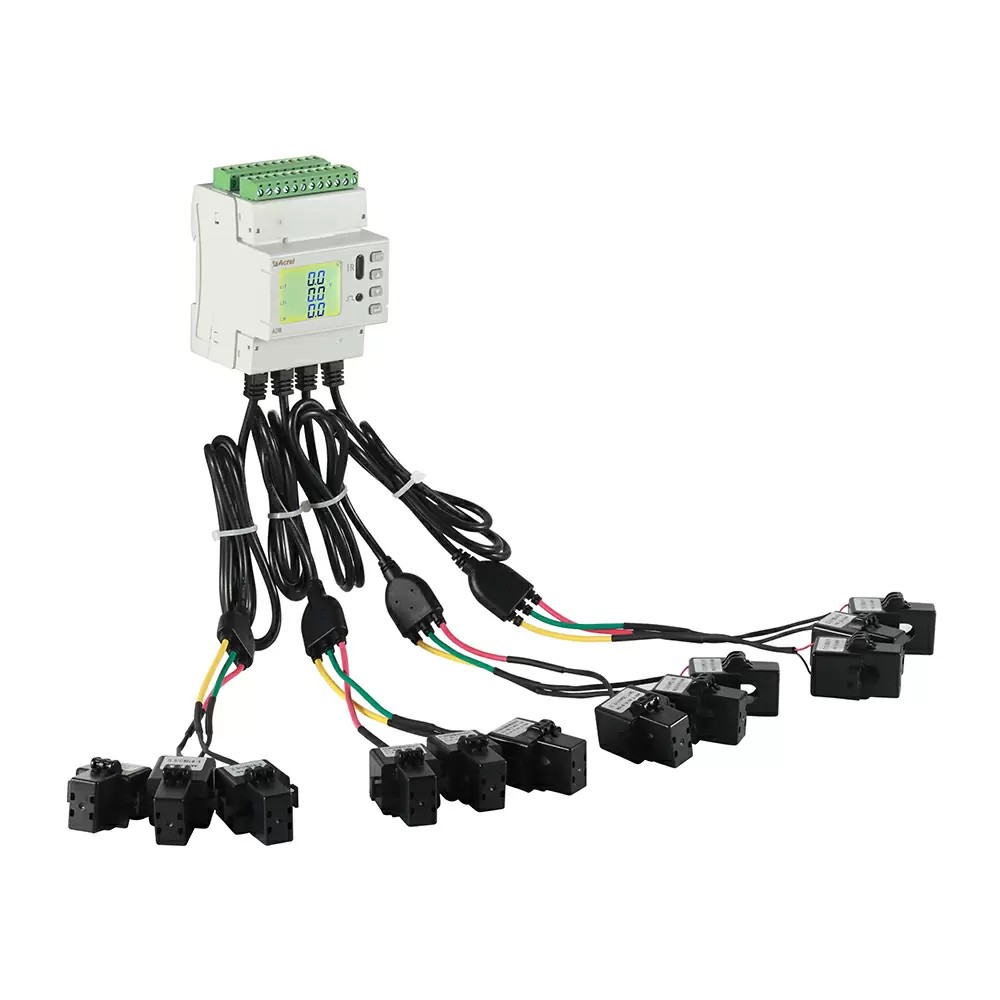
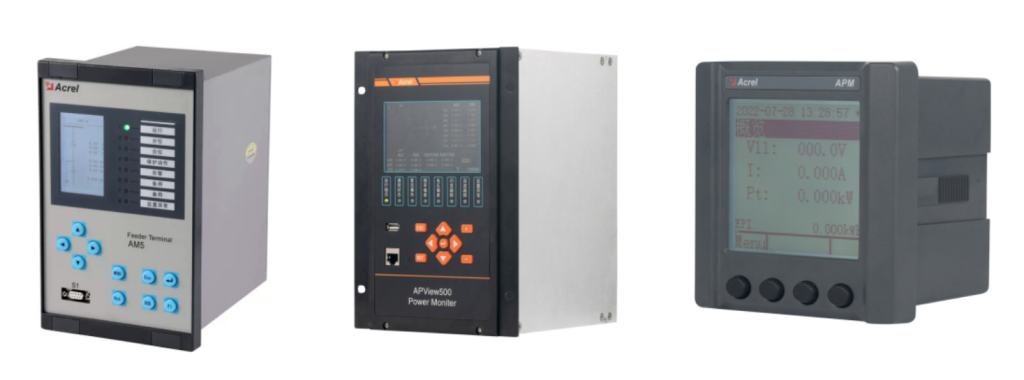
- Measurement, protection and power quality assurance system
Equipped with high-precision multi-function meters and various relay protection devices, it monitors network parameters online in real time. It proactively addresses power quality issues such as harmonics and voltage fluctuations, creating a robust defense for the safe and stable operation of the entire power system.
V. Comprehensive benefits and implementation perspectives
(1) Comprehensive benefits from three dimensions
- Economic advantages
Reduced electricity costs: Total electricity costs can decrease by 30-50% after project implementation, eliminating the high costs of transformer expansion and significantly reducing basic operating costs.
Expanded revenue streams: New charging jaws directly increase station operating revenues. Participation in market-based transactions such as spot electricity markets and demand response can unlock various revenue models.
Cost reduction for remote sections: Clean energy replaces the conventional diesel generation, reducing fuel consumption by over 30% and effectively lowering operating and maintenance costs in remote areas.
- Security advantages
Guaranteed operational continuity: Utilizing the emergency power supply capacity of the storage facility provides reliable backup power for critical loads along the route and avoids the risk of an operational disruption of the entire line caused by power outages.
Extended equipment lifespan: Actively addressing power quality issues, suppressing harmonics and voltage fluctuations reduces the likelihood of faults and damage to distribution and charging equipment, thus extending its lifespan.
Compliance and risk mitigation: The entire solution fully complies with the technical access specifications of the national network and eliminates the risks of penalties and mandatory corrections for illegal reverse power transmission at both the hardware and strategic levels.
- Environmental and social benefits
Supporting dual carbon targets through low-carbon emission reduction: The project can save hundreds of tons of standard coal annually and significantly reduce greenhouse gas emissions such as CO₂ and sulfides, helping the transport industry achieve its dual carbon assessment targets.
Improved public highway travel experience: PV charging carports offer sun protection and rain cover. Combined with organized charging strategies, they alleviate charging queues during vacations and solve range anxiety for electric vehicle owners.
Creation of an industrial demonstration model: Formation of a replicable and scalable model for the integration of motorway traffic and energy, setting a benchmark for the green and low-carbon transformation of motorways.
(2) Classic implementation and demonstration cases
- Henan Highway Source-Grid-Load-Storage Integration Project
Acrel's microgrid energy management system was deployed along the entire route, enabling centralized remote control for multiple stations at the network level. Local PV consumption increased to over 85%, significantly optimizing the overall energy efficiency of the road network. - Hubei Jingzhou East "PV storage-charging-swapping" demonstration station
The first national demonstration project for an integrated smart microgrid with PV, storage, charging, and energy exchange. The plant's electricity operating costs were significantly reduced, and the project cuts annual carbon emissions by over 1,000 tons, resulting in a win-win situation for both economic and environmental benefits. - Qinghai Jiaxi Highway Zero-Carbon Service Area
An integrated megawatt-scale demonstration project, "PV-Storage-Charging-Smart," is adapted to high altitude, cold temperatures, and remote operating conditions, enabling long-term stable operation in extreme natural environments and setting a benchmark for carbon-free service areas in cold regions of China.