
















Project overview
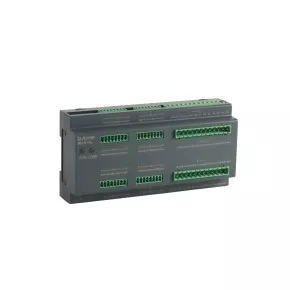
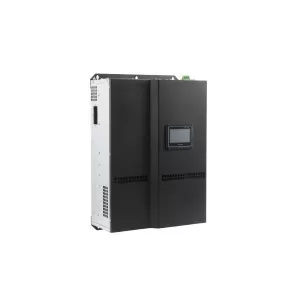
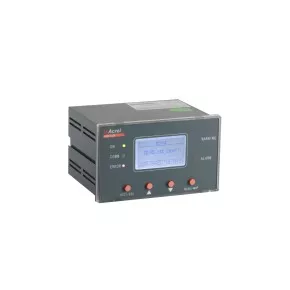
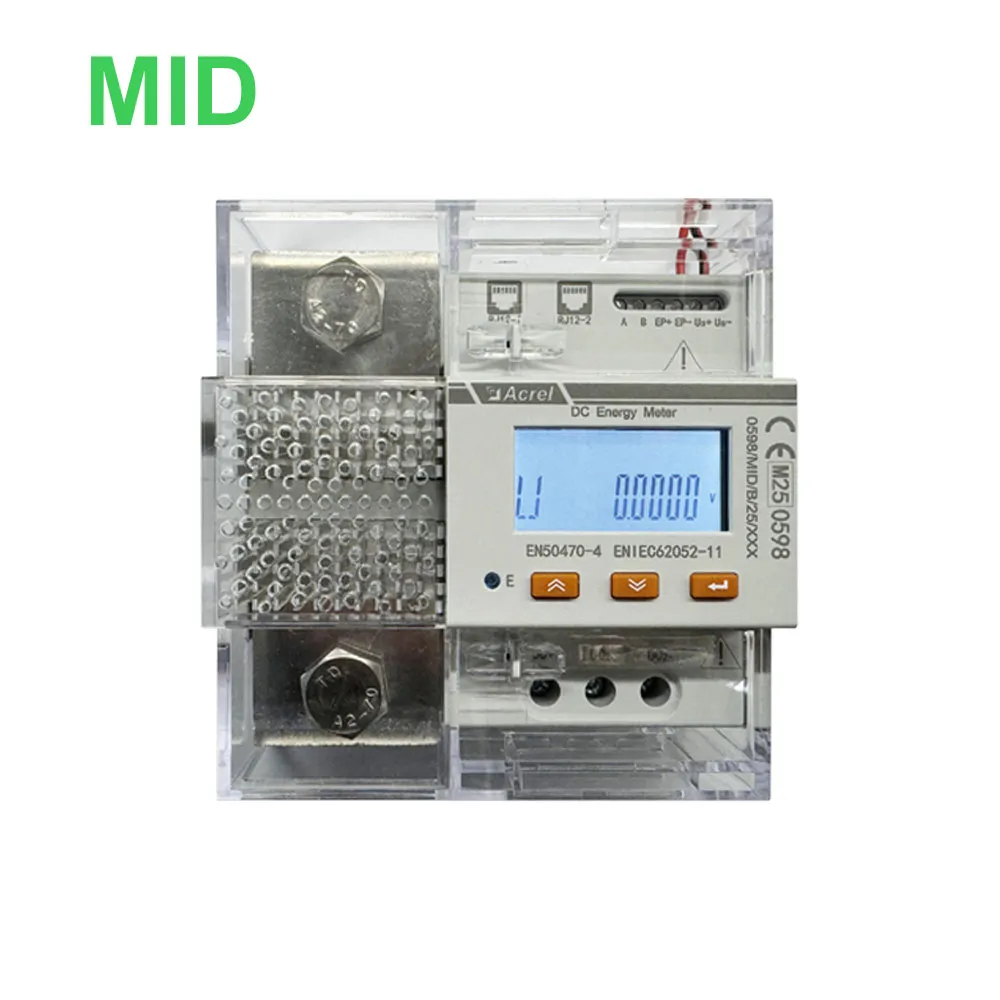
As the use of motor equipment in power plants gradually increases, the normal operation of the motor has become a prerequisite for the normal operation of other equipment. Therefore, the appropriate selection and use of motor controllers is crucial for the smooth operation of industrial plants. Only with the motor functioning correctly can it be ensured that the entire motor equipment's work process is uninterrupted and can operate normally. At a power plant in Sri Lanka, we recommend our ARD2F series to our customers.
Functional requirements for power plant motor controls
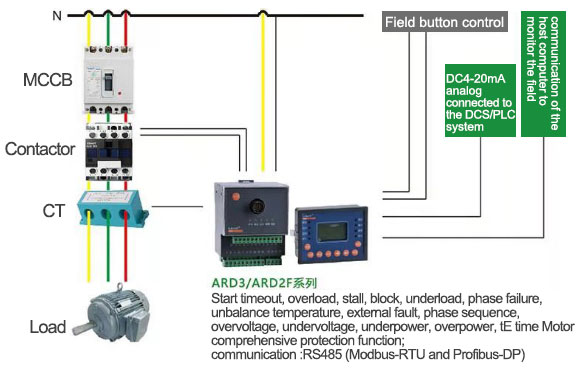
In power plants, the motor's power consumption accounts for a large portion of total electricity generation, while the power consumption of various fans, pumps, and air compressors accounts for more than half of the motor's total power consumption. Due to the motor's harsh operating environment in a power plant, where it is susceptible to failures such as blockages, short circuits, phase interruptions, or prolonged overloads, real-time motor protection and control are essential to ensure its normal operation.
Therefore, the ARD2F is capable of measuring the full performance parameters of voltage and current of the power plant motor and features a communication function. The controller requires functions such as self-diagnostic output, power failure detection, and fault logging, which are summarized below:
- Implement complete engine protection function
- Implement a variety of engine control methods.
- Implement real-time monitoring of engine operation on site
- Implement communication function
Product effect
Protecting motor operation and ensuring continuous, uninterrupted motor operation are crucial for production. The advantages of using the ARD2F intelligent motor controller for power plants include:
- High networking flexibility, easy to control
- Real-time display of parameters, convenient on-site inspection
- Energy saving
- Information centralization
- Intelligent automatic control protection
- Record engine fault information for easy on-site problem analysis.
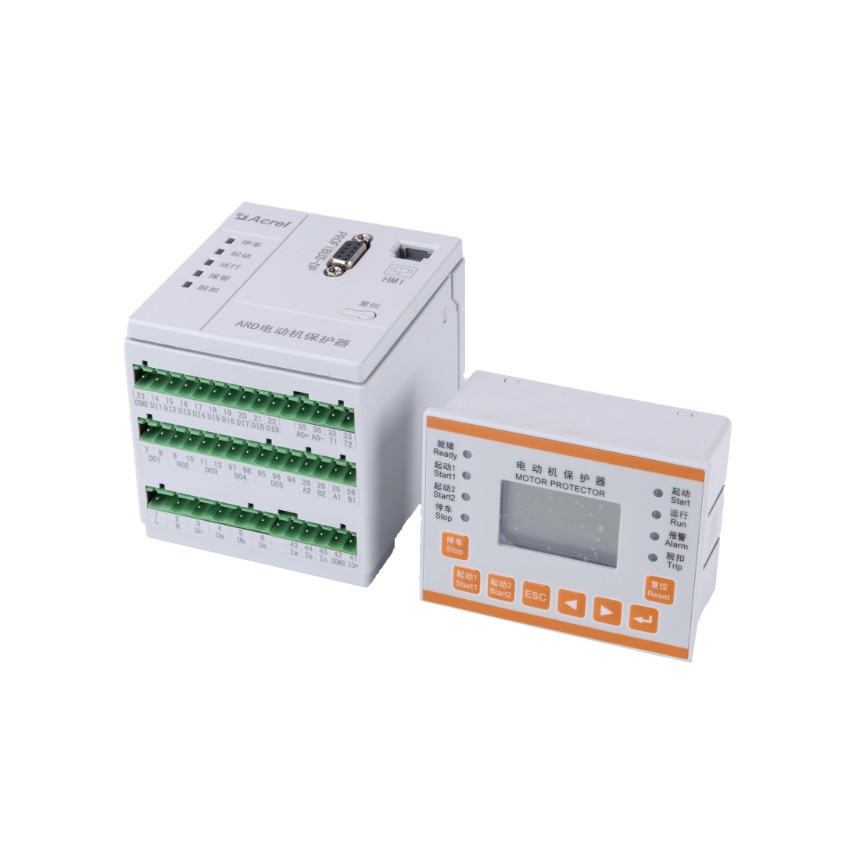
U, I, P, S, PF, F, EP, Leakage, PTC/NTC
16 Protective function
Start control function
9 programmable DIs
5 programmable DO
Modbus RTU or Profibus DP communication
1 analog DC 4-20 mA output
20 fault records
Anti-shaking function