

















Project Background
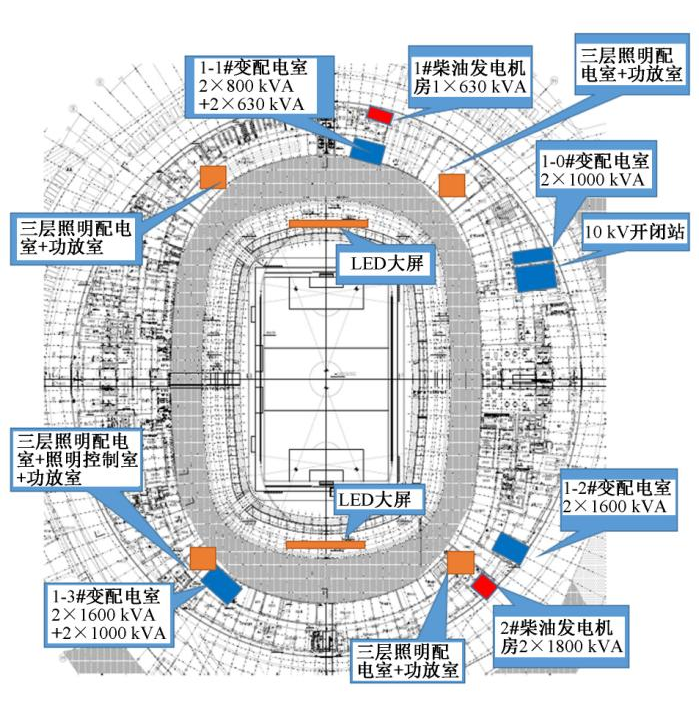
The Wuhan Sports Center (the main venue of the 7th World Military Games) covers an area of 28830 square meters with a building area of 53919 square meters. It consists of 13000 comprehensive indoor competition halls and affiliated training halls. The main electrical loads are site lighting, LED screens, audio, new media equipment, etc., which belong to nonlinear electrical equipment. During operation, they will generate harmonics, causing flicker, cable heating, and may produce noise or even faults in weak current circuits such as communication and cable television, posing a threat to the safe and normal operation of the system and other equipment.
Electrical load
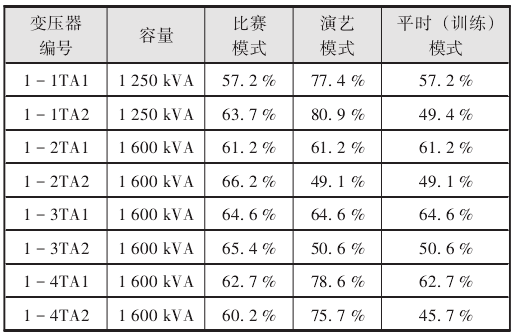
Most loads in large Class A stadiums are one and a second load; the specification requires that the transformer load in the Class A stadium should be ≤ 60%.
Solution
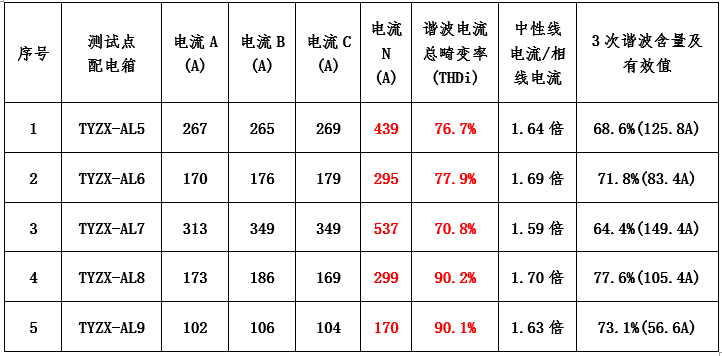
- The neutral line current is approximately 1-1.7 times greater than the phase current;
- The main harmonic frequency of the N-line current is 3 times and 3 times harmonic;
- The overall power generation rate is relatively high (between 70% and 90%);
- The multi-path load tested is primarily the switching power supply load.
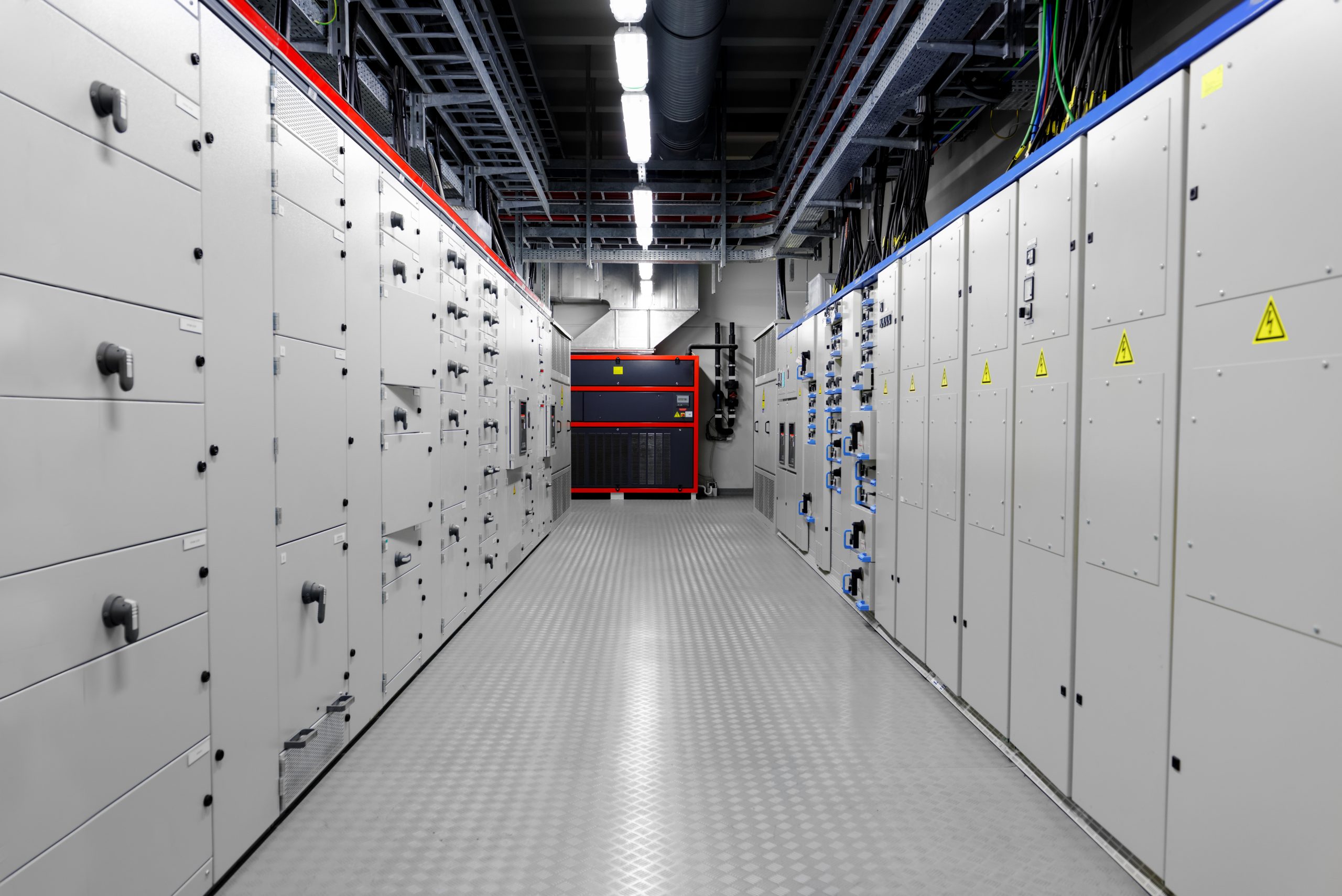
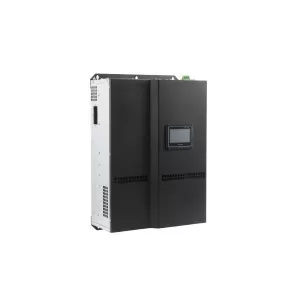
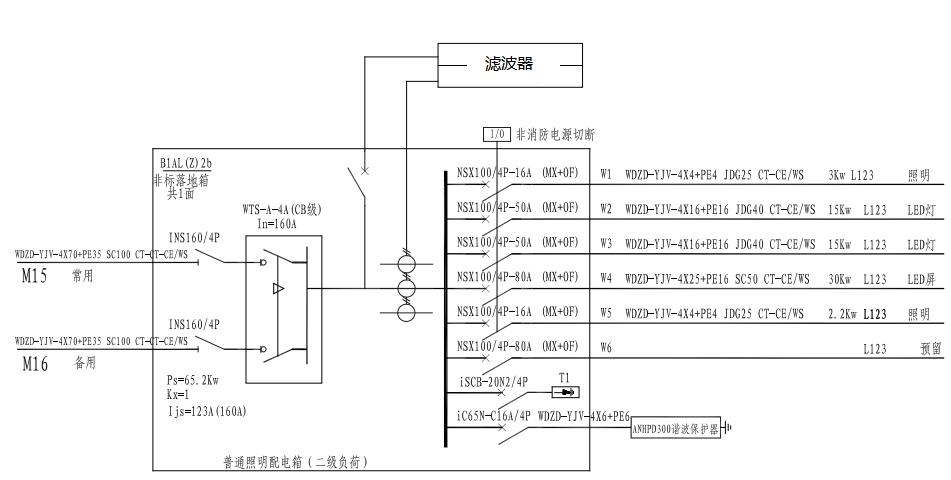
Filter installation diagram
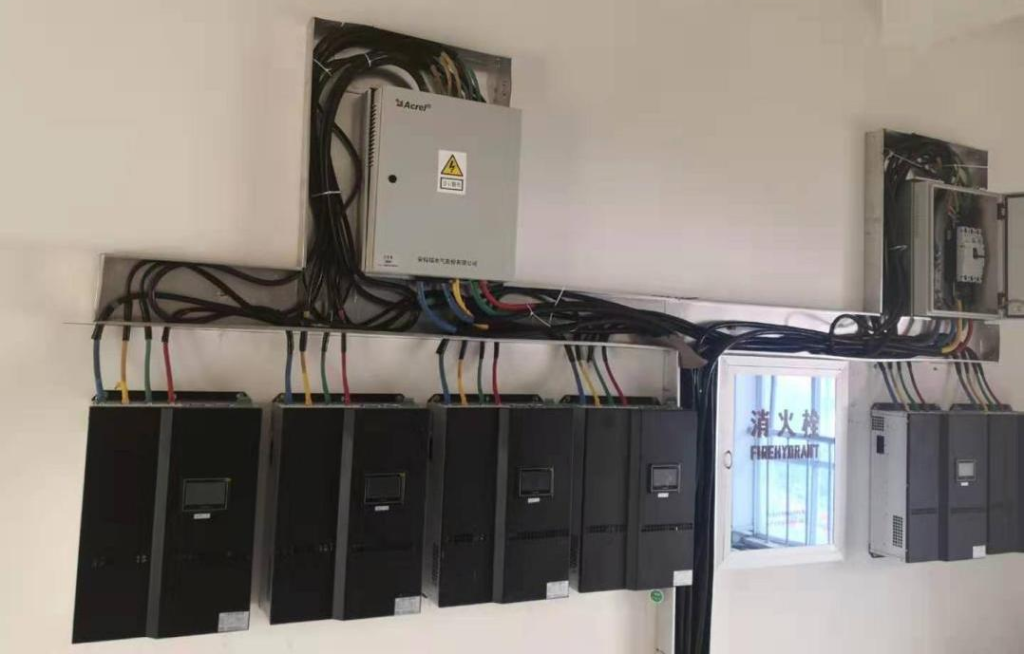
On-site installation diagram
effect
Measurement data from distribution box TYZX-AL8 No. 8 in the sports center
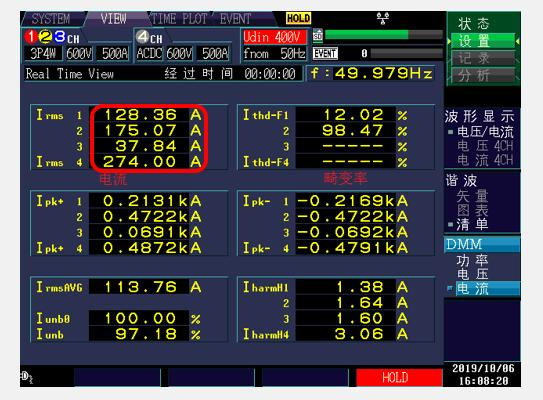
As can be seen, the phase current dropped from approximately 175 A to approximately 128 A after the APF system treated distribution box AL8. After the APF system removed 274 A of harmonics, the remaining grid-side current in the neutral phase was 37 A. This means that the treatment requirements specified in the treatment plan have already been met.
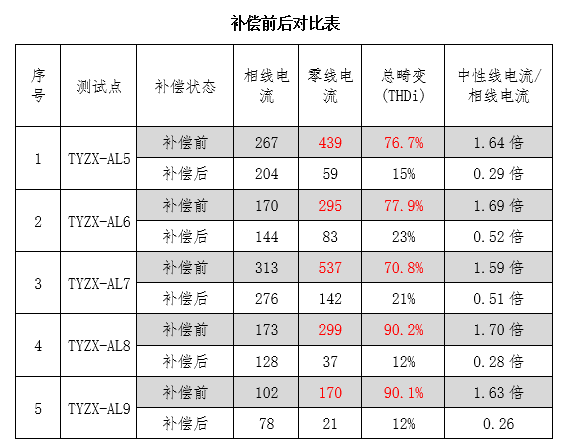
The system compensates for third-order harmonics, significantly reduces the neutral current (N-current) in every distribution box, and thus prevents electrical safety hazards caused by excessive N-current. It also improves the power factor, completely eliminates reactive power losses, and can potentially even lead to cost savings. Finally, it meets the harmonic compensation requirements of industry standard JB/T 11067-2011 "Active power filters for low voltage".