
















Summary
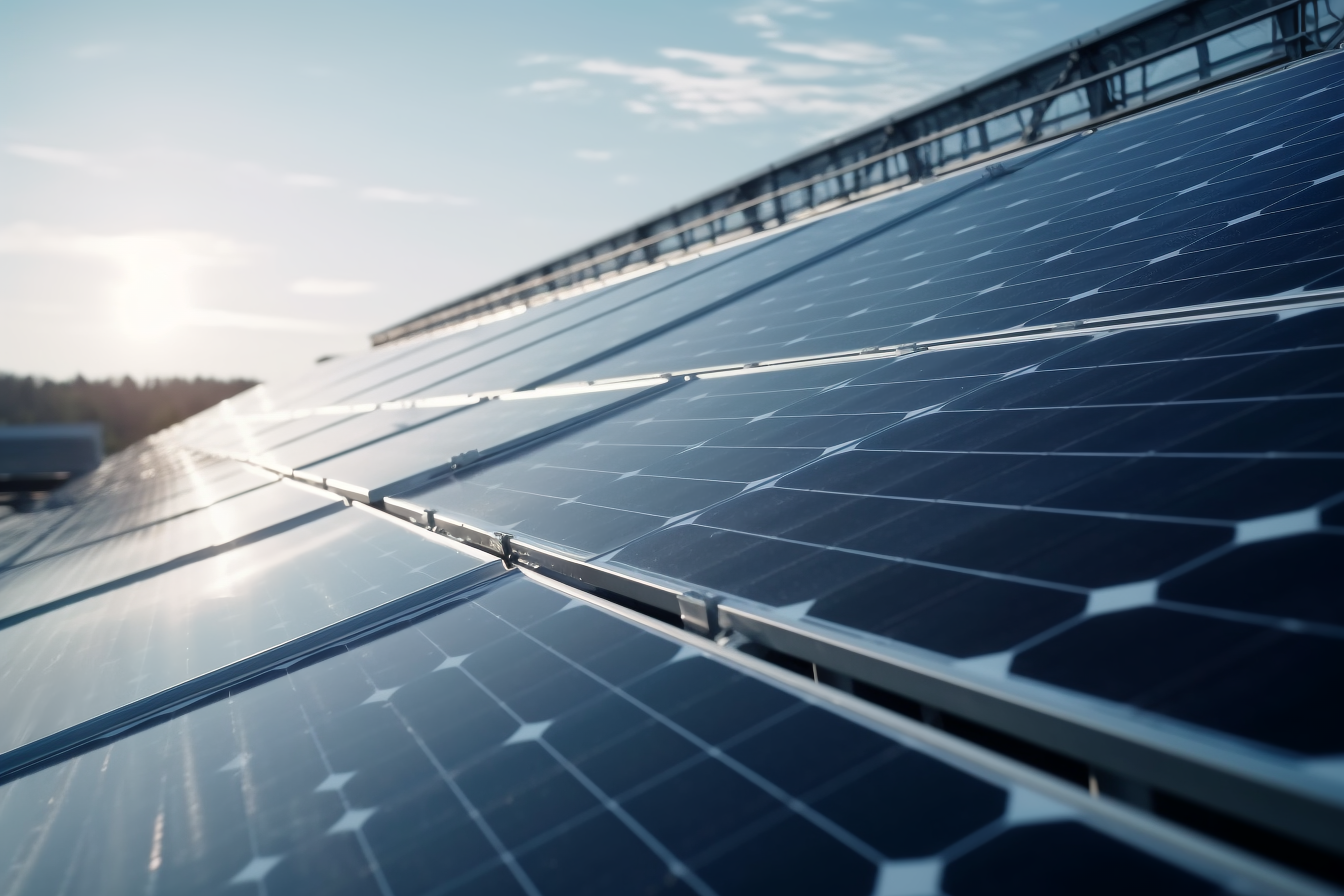
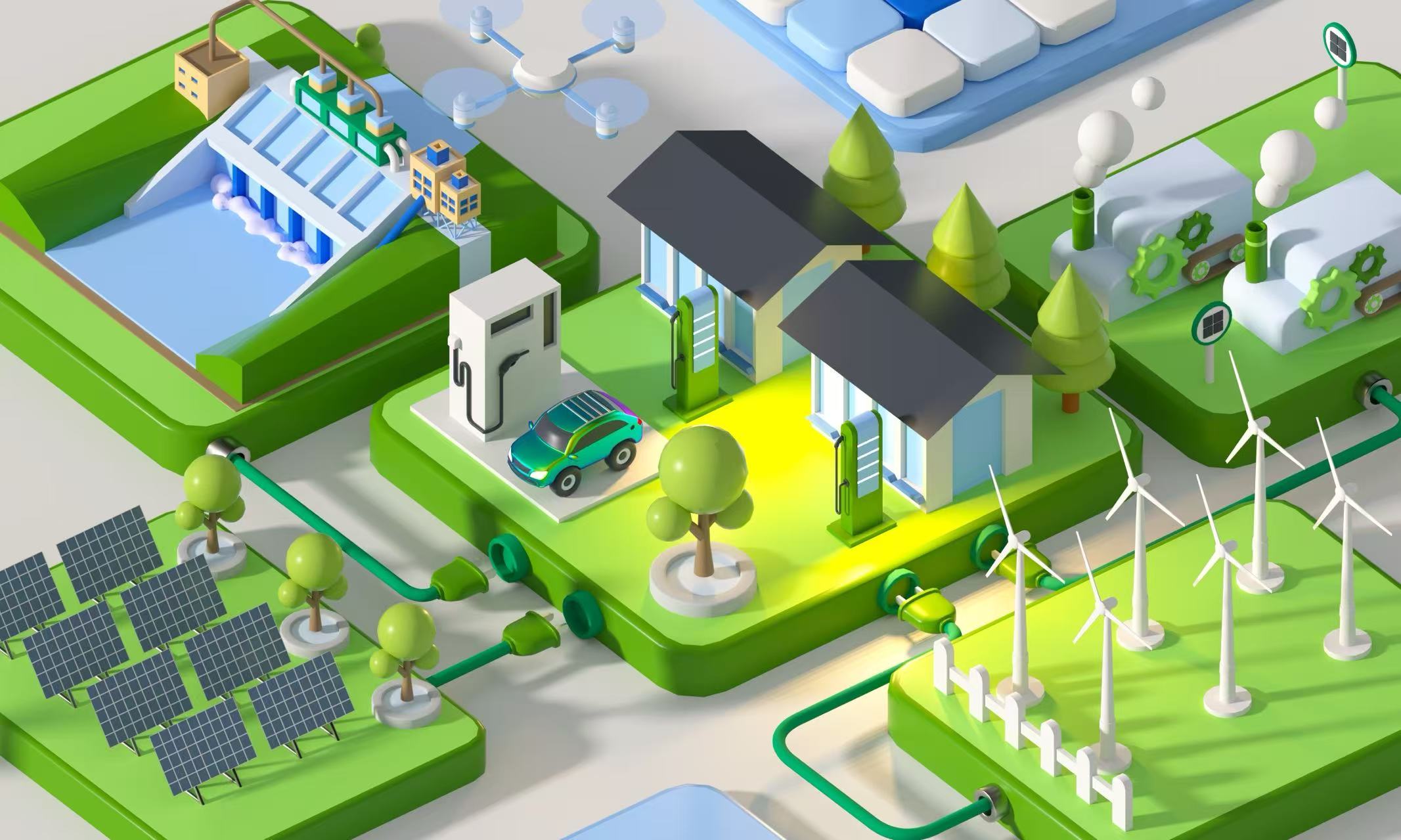
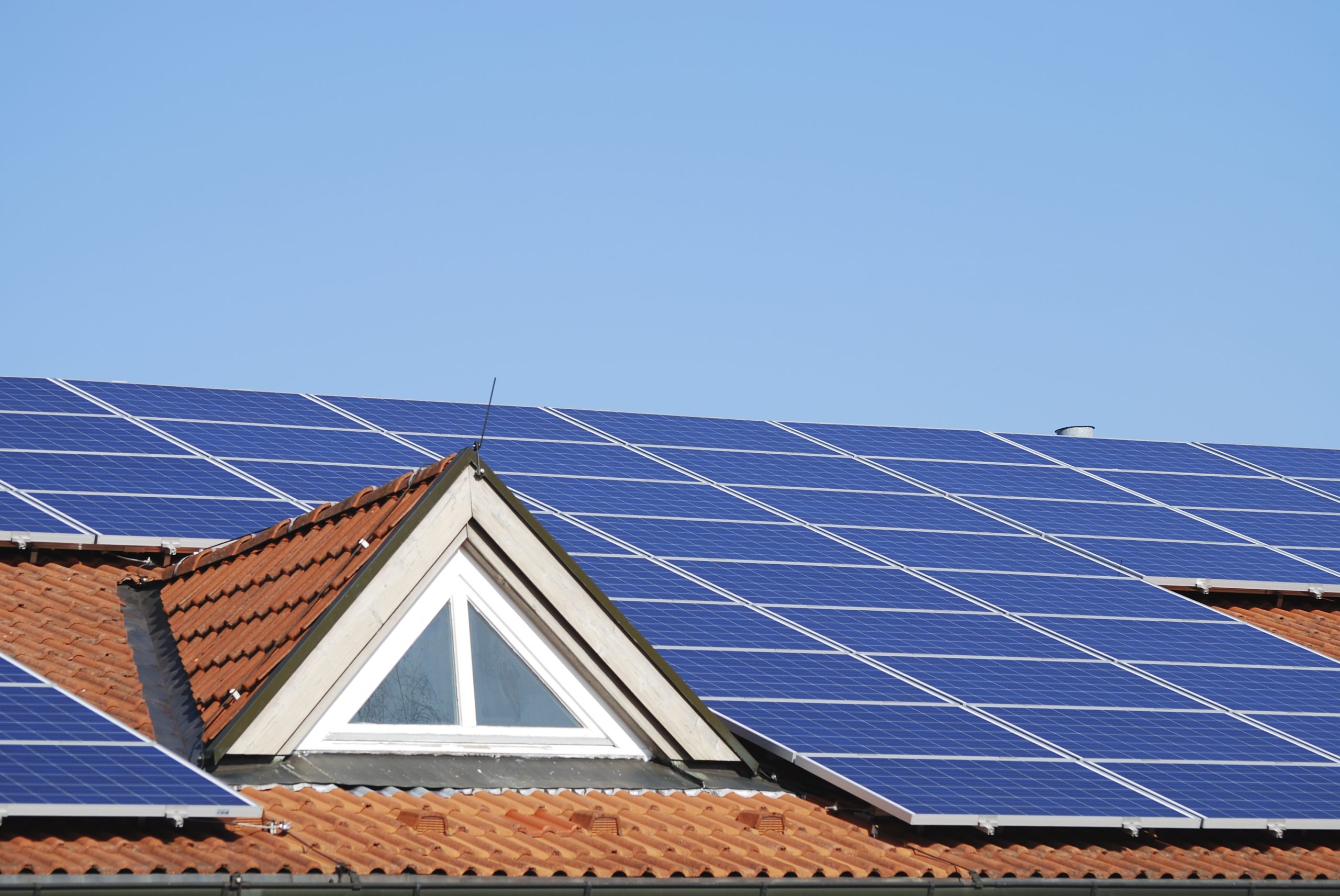
As a key measure for the energy transition towards clean energy, decentralized photovoltaics (PV) addresses the conflict between energy development and limited land resources through innovative land use and technological advancements. The construction of PV power plants on fallow land along highways leverages their decentralized layout and clear ownership structure. This approach avoids competition for land with traditional agriculture and urban development, while simultaneously achieving the dual objective of increasing land value and producing renewable electricity.
Protection against islanding is a core component for secure grid operation. It prevents PV systems from continuously feeding electricity into the grid during a power outage (so-called "islanding"), protects maintenance personnel, power grids and systems, and ensures stable grid operation.
Keywords: Decentralized photovoltaics; Highway; Protection against islanding
- overview
Against the backdrop of the global energy transition towards a low-carbon energy supply, decentralized photovoltaic power generation has become a key pathway for the large-scale expansion of renewable energies due to its flexibility and cleanliness. However, conventional PV projects are reaching their limits due to land scarcity. Undeveloped areas along highways offer an innovative solution.
In grid-connected, distributed PV systems, islanding protection devices represent a crucial technology for grid security. Using an active phase-locked loop and frequency compensation, these devices monitor the grid status in real time. As soon as a grid outage is detected, they interrupt PV power generation within 0.2 seconds to prevent electric shocks and system damage caused by the islanding effect.
The PV power plant project along the Datang-Pubei Highway in Qinzhou (hereinafter referred to as "the project") is a demonstration project for decentralized photovoltaics, built under national initiatives to optimize energy structures and provide cleaner and more reliable energy.
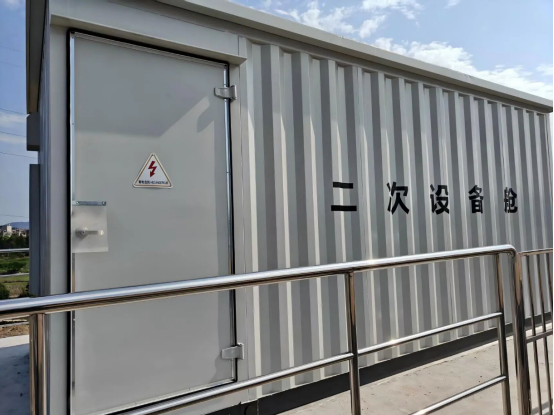
The project, located at the Pubei interchange of the Datang-Pubei Expressway in Pubei County, Qinzhou City, involves the construction of decentralized photovoltaic power plants on the embankments of the expressway. The plant is fully grid-connected. With a total installed capacity of approximately 3.31 MWp, it is connected to the grid via the existing 10 kV Liuqiao line, operated by the Qinzhou Power Supply Company.
The project utilizes highly efficient PV modules with a total output of 3.31 MW and employs a feed-in tariff model. Completion and commissioning were planned for the end of April 2025. For secondary planning, the Acrel-1000DP solution from Acrel was selected for the distributed PV monitoring system. Based on supporting operating systems, the PV monitoring platform offers stable and reliable local protection and monitoring functions. The construction and operation of this distributed photovoltaic system provides clean, renewable electricity, reduces dependence on fossil fuels, and lowers CO₂ emissions.
This article describes in detail the demonstration of the grid connection concept for PV systems, as well as research results on the protection of system relays, automatic safety devices, system communication and solutions for the automation of deployment planning.
- Solution
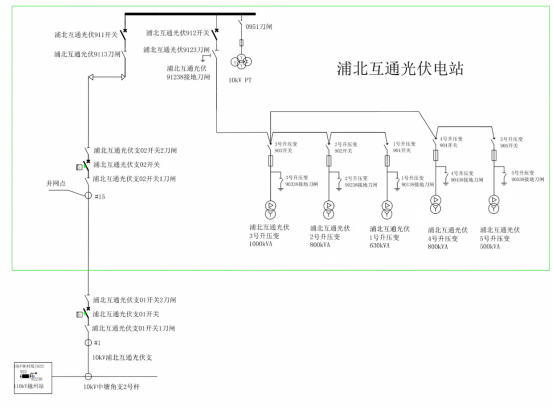
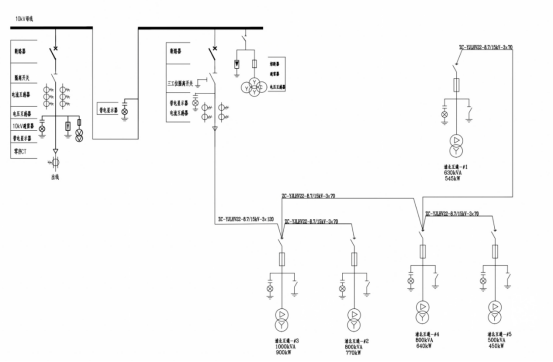
This is a decentralized, roadside photovoltaic (PV) project with a capacity of 3.31 MW, feeding all generated electricity into the grid. The new grid-connected equipment includes PV output distribution boards, meter distribution boards, voltage transformer distribution boards, and PV input distribution boards. The upgraded PV system is equipped with an automation system that collects grid connection data in real time and transmits it to the local control center's data management system (DMS). The inverter delivers 800 V AC, which is transformed to 10 kV via box transformers and then routed through high-voltage cables to the new 10 kV PV input distribution board. From there, it is connected to the existing 10 kV Liuqiao line via the grid-connected distribution board. The project utilizes the Acrel-1000DP PV monitoring platform, which enables real-time data monitoring of the entire system and fault reporting.
- Technical concept
The photovoltaic system, with a total capacity of approximately 3.31 MWp, was built on a vacant site next to the highway and uses PV modules, inverters, transformers, and other core components from well-known manufacturers. All electricity generated is fed into the public grid. The direct current (DC) produced by the PV modules is converted into alternating current (AC) by string inverters, transformed on-site to 10 kV, and routed via a switchgear output to the 10 kV grid connection busbar in the main plant room. The grid connection switchgear then routes the PV current to pole-mounted switches for grid connection. The planned total installed capacity of the project is 3.972 MWp, of which 3.31 MWp is AC. Calculated over the 25-year operating life of the PV system, this results in an average annual electricity generation of 464.23 kWh and a total electricity generation of 11,605.73 kWh over 25 years. The project, which is scheduled to be commissioned in 2025, implements a complete electricity export model.
3.1 Step-up transformers and high/low voltage distribution systems
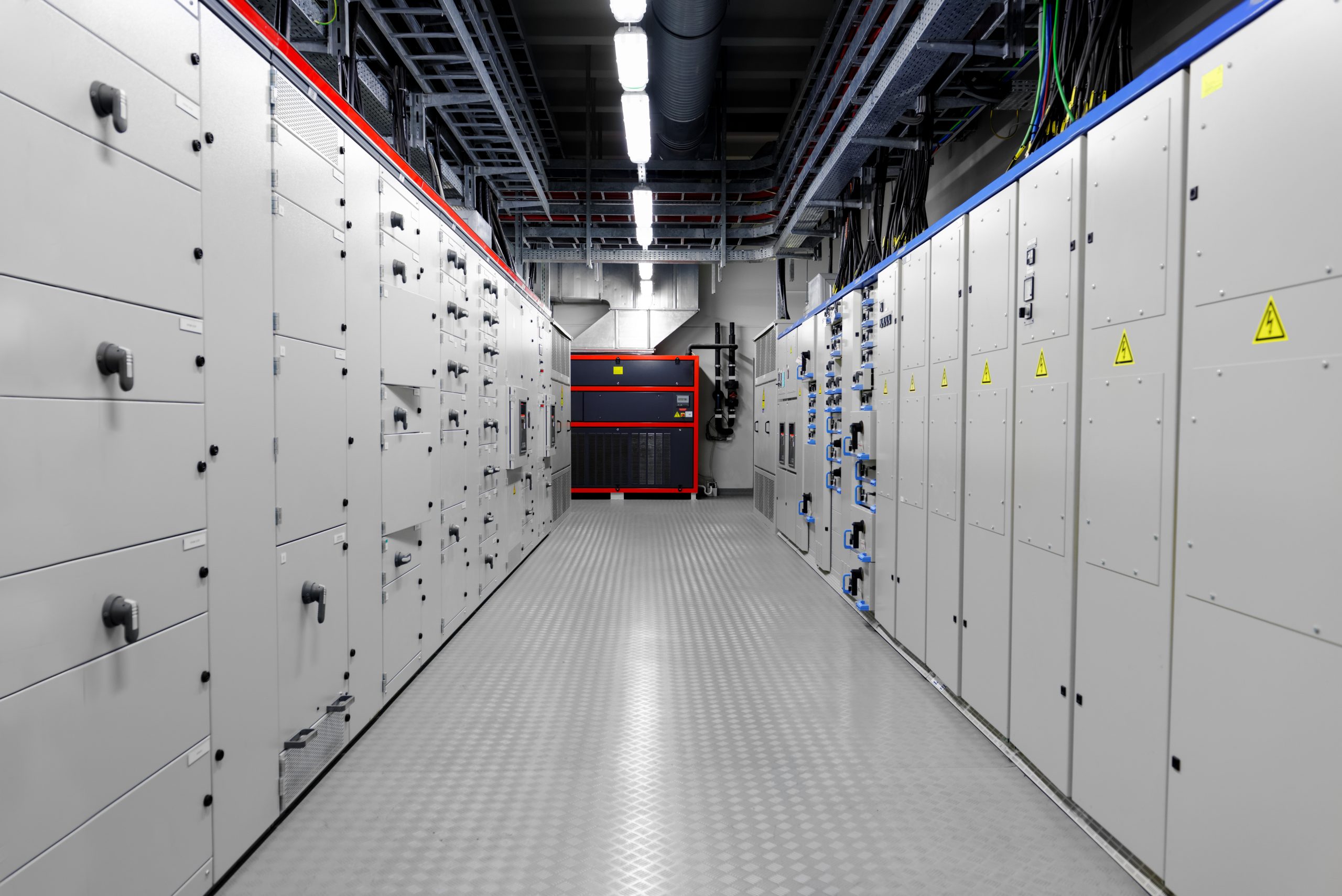
The project is equipped with one 1000 kVA, two 800 kVA, one 500 kVA, and one 630 kVA three-phase dry-type transformers. Rated voltage: 10.5 ± 2 × 2.5 % / 0.8 kV, terminal group: Dy11, rated frequency: 50 Hz. Suitable for outdoor installation. Energy efficiency complies with national standards.
3.2 Relay and safety automation
All critical electrical components of the PV system are equipped with a microcomputer-based protection system that supports data upload. Component protection is configured according to the Technical Specification for Relays and Safety Automation (GB 14285-2006).
1) Island grid protection
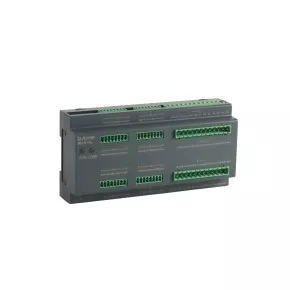
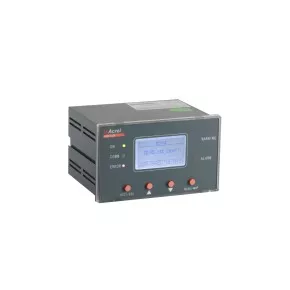
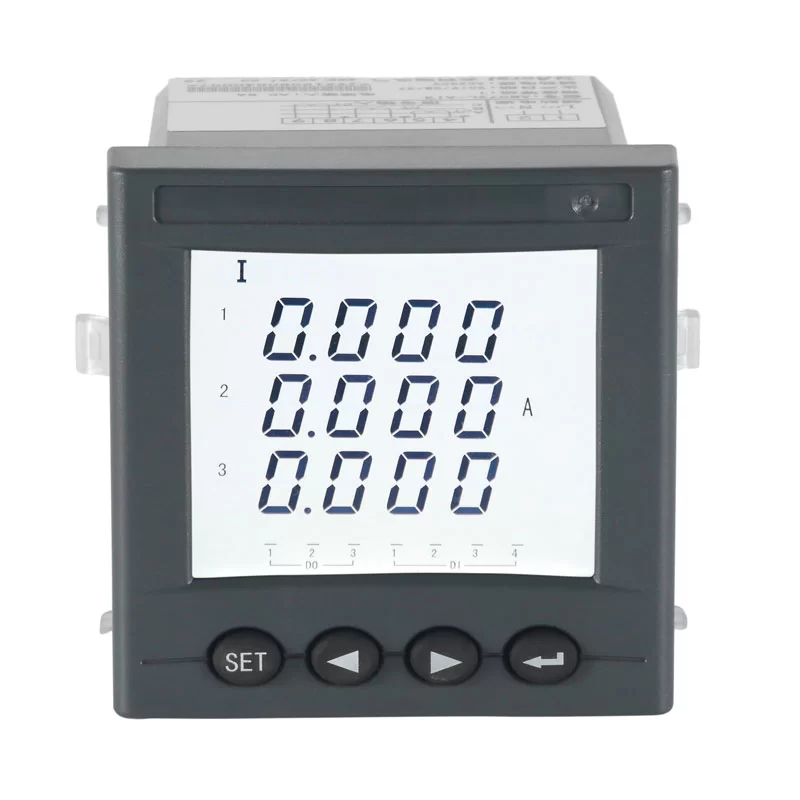
The AM5SE-IS islanding protection device used in this project is suitable for grid-connected renewable energy generation systems, including 35 kV, 10 kV, and 380 V PV systems, as well as gas-fired power plants. It features three-stage overcurrent protection, inverse time protection, two-stage zero-current protection, and zero-current protection with inverse time. Its core functions include: 1) Personal protection: In the event of a power outage on the grid or PV side, the islanding protection device immediately disconnects the grid connection point to prevent maintenance personnel from accidentally touching live equipment and to ensure personal safety. 2) Prevention of grid surges and equipment damage: The rapid disconnection eliminates voltage and frequency fluctuations caused by islanding, thus preventing damage to the power grid and PV systems. 2) Improved system reliability: Real-time monitoring and fast response stabilize grid-connected PV systems, balance power exchange with the main grid, and increase the overall reliability of the system.
Inverters for distributed PV projects must enable rapid detection of islanding and immediate disconnection from the grid upon detection. The protection mechanisms against islanding must be coordinated with relay protection, automatic safety devices, and low-voltage detection devices with response times tailored to the specifications of the state grid operator.
2) Protection of mains-connected lines by relays and automatic safety devices
In the event of short circuits in grid-connected lines of distributed PV systems, the line protection must immediately trip the corresponding grid-connected circuit breaker to ensure rapid and reliable fault rectification throughout the entire line. A residual current device (RCD) must be installed at the 10 kV busbar in the substations of users housing PV systems to regulate frequency and voltage anomalies in emergencies and, if necessary, trip the corresponding circuit breakers.
3) Network quality monitoring
Decentralized PV projects must meet national grid quality requirements. According to national standards such as the Technical Rules for Grid-Connected PV Systems (GB/T 15543-2008), grid quality parameters such as voltage, current, frequency, and harmonic distortion must be monitored to ensure stable operation of the PV systems and reliable grid quality.
4) AGC/AVC systems
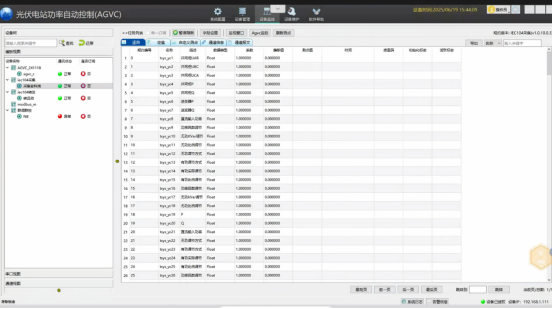
For integration into the China Southern Power Grid (CSG) electricity grid, distributed PV projects must comply with the Technical Specifications for Distributed PV Systems Connected to Distribution Networks (GB/T 29319-2024) as defined by the CSG management departments. Equipping inverters with AGC/AVC devices enables the control of active and reactive power, thus fulfilling the four requirements for visibility and controllability: observable, measurable, controllable, and adjustable.
5) Positioning systems
According to the Cybersecurity Protection Plan for the Grid Connection of Distributed New Energy Generation Plants to the Southern China Power Grid (Document No. Zongtiao [2022] 7 Appendix 1), distributed new energy generation plants will be equipped with cybersecurity protection systems for the distribution grid. These systems enable real-time monitoring and testing of cybersecurity threats and upload the data to the situational awareness platform of the power monitoring system. The situational awareness systems detect potential risks early and trigger alerts in the event of cyberattacks.
- System architecture
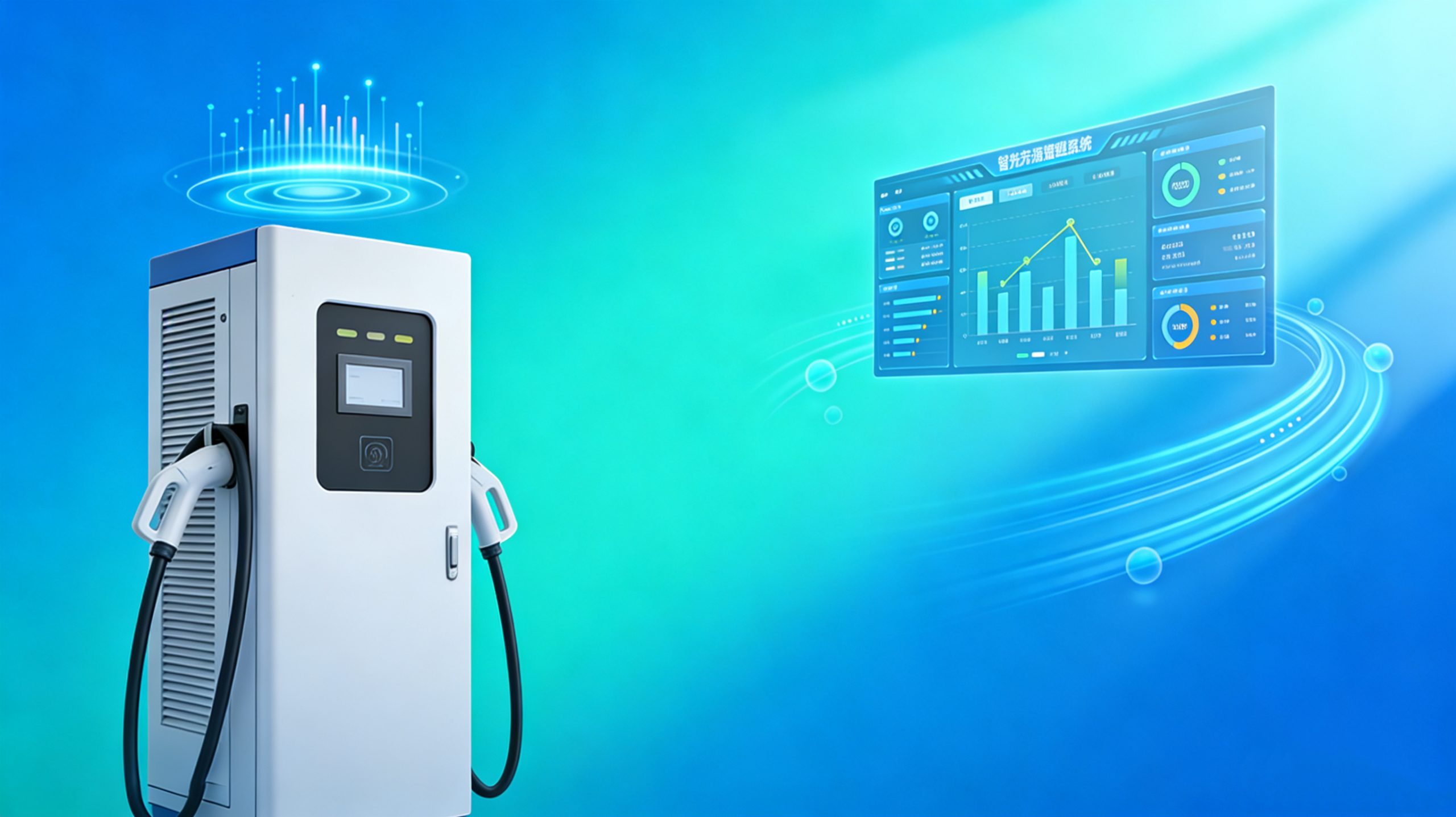
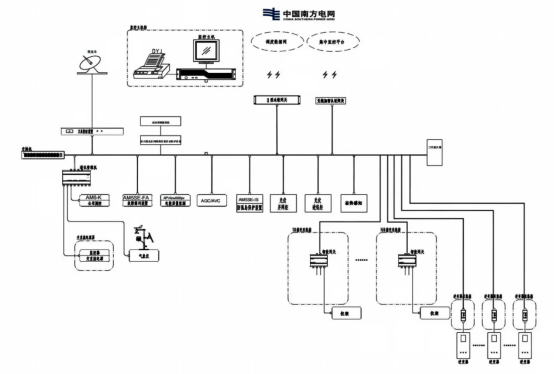
This photovoltaic power plant project is equipped with a comprehensive automation system utilizing the Acrel-1000DP decentralized photovoltaic power monitoring system from Acrel Electric Co., Ltd. This system provides protection, control, communication, and measurement functions, enabling fully automated, integrated management of the photovoltaic plant and switchgear. Status signals from inverters, high- and low-voltage systems, and other components are connected to this monitoring system.
The monitoring system for photovoltaic power plants consists of two parts: a station control level and a local level. The network structure is open, layered, and distributed.
The monitoring system is connected to the local level via Ethernet. Depending on its function and system, this local level is distributed relatively independently within the inverter area or in the substations. Even in the event of a failure of the station control level or the network, the local level can continue to monitor the local electrical installations independently. The computer monitoring system communicates with the energy provider, Lu'an Power Company, via the public GPRS network of the remote control workstations.
The station control level consists of servers, operator workstations, and remote control stations connected via a computer network. It provides a human-machine interface for station operation, enables the management and control of local-level equipment, and forms a station-wide monitoring and management center. It also features an interface for communication with the remote control center.
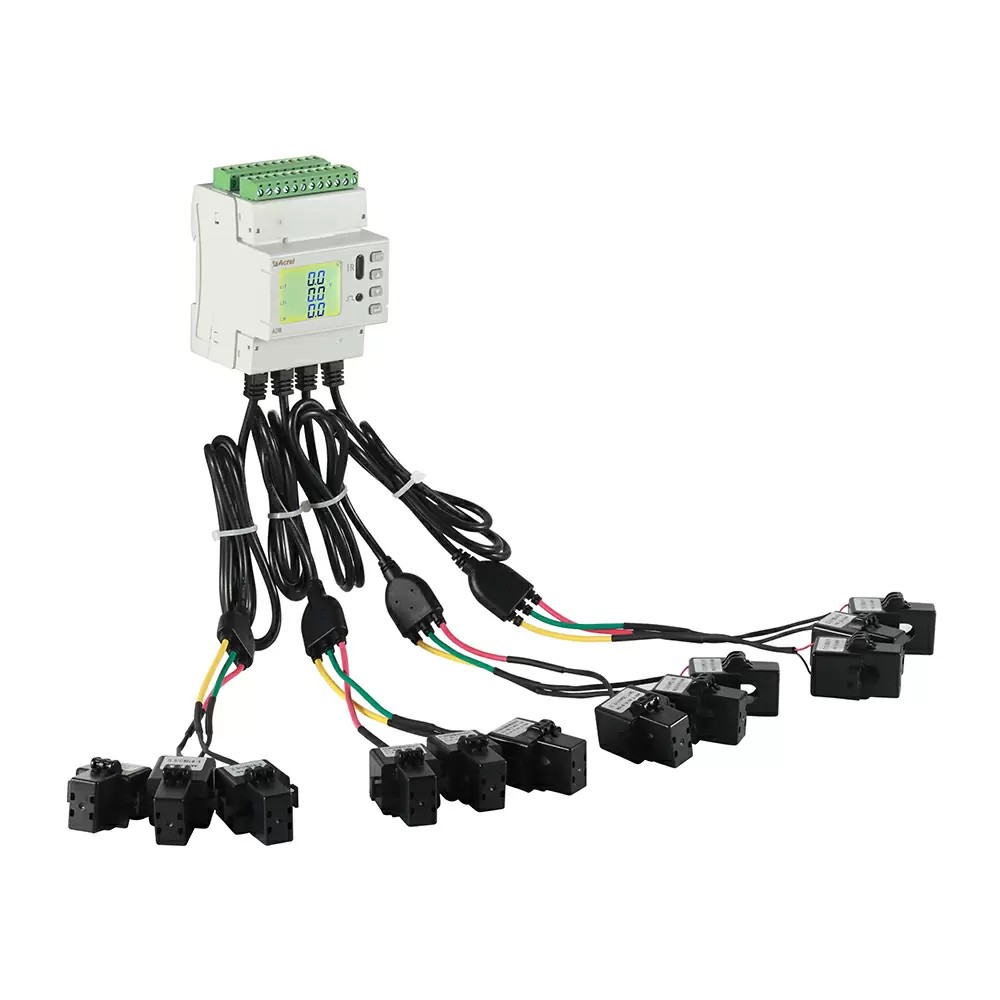
The local-level devices comprise a smart metering and control unit, a network communication unit, an inverter data acquisition unit, and a multi-function energy meter. Key electrical installations include inverters, substations, and grid-connected switches. The system acquires and processes raw data directly on-site, transmits it via the network to the station control monitoring center, and simultaneously receives control commands from it. After validation, interlocking, and synchronization, it controls the installations.
Communication between station control and the local level takes place via a GPRS radio network.
Each photovoltaic system is equipped with a data acquisition device with wireless transmission capability, which collects data from the individual photovoltaic modules, inverter parameters, measuring and control devices, and smart meters. This data is then wirelessly transmitted to the monitoring system.
4.1 Real-time monitoring
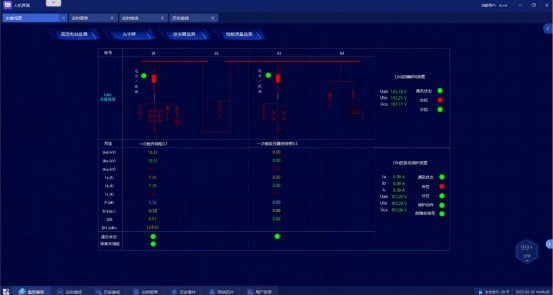
The Acrel-1000DP decentralized PV monitoring system features a user-friendly human-machine interface. It visualizes the operating status of distribution circuits based on primary wiring diagrams, monitors electrical parameters such as voltage, current, power, and power factor of each circuit in real time, and dynamically records the open/closed status of circuit breakers, disconnectors, and grounding switches, as well as fault and alarm signals. Customized user interfaces are available for displaying PV modules and high-voltage installations in the respective distribution rooms.
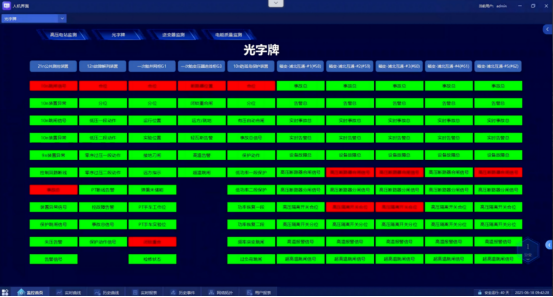
4.2 Alarm window monitoring
The user interface of the light signal monitoring system directly displays the remote signal status of all protective devices. Operators can thus detect faults and alarms in the electrical system on-site, as well as the status of circuit breakers, and monitor the entire switchgear assembly.
4.3 Real-time curve monitoring
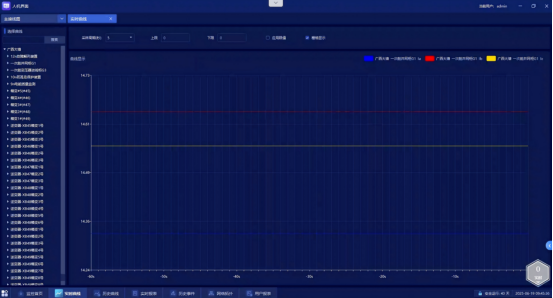
Users can select target data metrics on the real-time curve interface to display dynamic data fluctuations. Up to four curves are visualized simultaneously to perform operational data analysis.
4.4 Real-time report monitoring
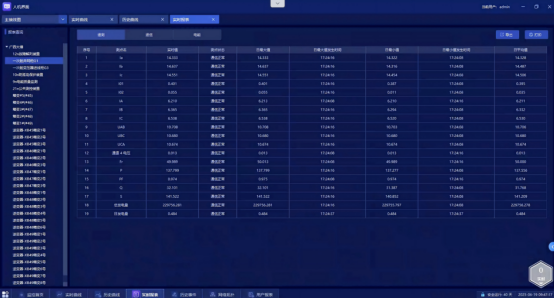
The real-time reporting interface allows users to select target devices and query their operating parameters in real time. Reported electrical parameters include three-phase current, three-phase voltage, total power factor, total active and reactive power, energy generation, and remote signal data.
- Remote signal data: Real-time values, color-coded according to status (limit exceeded, forced shutdown, communication error, etc.), daily maximum and minimum values with timestamp, daily average values
- Remote signal data: Real-time status, color-coded, device status (forced setting, communication errors, etc.), daily status change counter.
Reports support export and printing functions.
- Conclusion
Against the backdrop of the "Dual Carbon" targets, national strategies support the development of a land-based economy along highways, parallel to the large-scale expansion of decentralized energy generation facilities. Innovative operating models for photovoltaic projects on highway land have been researched in order to fully exploit the development potential of this land-based economy.
This project actively contributes to national strategies for developing photovoltaic power generation along highways while simultaneously meeting the power security requirements set by local energy suppliers. Reliable solutions for monitoring distributed photovoltaic systems are essential for their grid connection. Acrel's power monitoring solution supports electricity consumers and grid operators in the orderly, large-scale grid integration of distributed photovoltaic systems, strengthens unified management and control, promotes coordinated operation between distributed photovoltaic systems and the main power grid, and establishes a new management system for distributed energy generation with transparent data, convenient control, and energy interaction.